
Air Purifiers for Cold And Flu Season

Globally, the cold and flu season is something to be of concern. The season comes yearly, ranging from sniffling and sneezing to chills and fevers. Indeed, a sneeze can send clouds of flu viruses airborne. Several kinds of illnesses are associated with the winter and cold weather. That makes it challenging to combat simple cold symptoms. You need to protect yourself and your home from infections by running an air purifier. Poor Indoor Air Quality Impacts the Prevalence and Gravity of Respiratory Viruses, Especially Common Colds and Flus Many people don’t understand how indoor air pollutants affect flu victims. Severe exposure to air pollution affects the prevalence and gravity of severe illnesses like COVID. Once the air is polluted, it aggravates the condition, leading to more complications. It also influences a healthy environment that could help reduce complications and circulate the airborne virus. A healthy and clean environment is always crucial and necessary when there are respiratory viruses. Even with short-term infections or severe respiratory diseases like asthma, breathing could become complicated because of the respiratory condition. Indoor air pollution impacts symptoms of respiratory infection. It becomes more challenging to breathe in an environment that isn’t healthy or clean of air pollution. Airborne germs and allergens pollute indoor air and remain longer in the dense, colder winter air. Thus, it’s necessary to clean your indoor air of these harmful molecules by using an air purifier. That way, you’ll create the healthiest air environment possible. Returning to Work: Why Indoor Air Quality is Essential Indoor air quality is a top priority because it affects the spread of airborne viruses in your home. Poor indoor air quality allows viruses to spread more in homes. Besides, it also prevents sick people from recovering, creating more avenues for re-infection. Good air quality can help prevent colds and cases of flu. Run an air purifier in your home to help purify particles in the air that cause colds, flu, and viruses. Contaminated air makes it possible for everyone to get sick or become reinfected. Let running an air purifier become part of your flu prevention procedure. Do Air Purifiers Help Prevent Cold and Flu? An air purifier is necessary for everyone during the cold and flu season. But, it’s more crucial for those prone to flu complications due to their health status or age. Passive air purifiers have been a standard solution to help clear airborne viruses and harmful bacteria from your indoor spaces. First, they draw in the air and purify the air of any airborne particles using filters and UV lighting. Alternatively, active air purification systems purify air without needing contaminants to pass through the system. ActivePure® offers an energy-efficient cleaning system that is clinically proven to decontaminate 99.98% of SARS-CoV-2 virus within 7 hours. It accomplishes this by creating and propelling powerful and safe disinfecting molecules into the air, which seek out and destroy pathogens lingering on surfaces and in the air. Residential Air Purification in Phoenix Due to allergy breakouts, many homeowners are taking a bold stance to improve the air quality of their homes and protect their health. Air quality solutions comprise various services designed to purify the air circulating within your home. These solutions cover every basis of air quality and home health. A-Z offers several active air purification solutions in Phoenix, including ActivePure technology. Our ActivePure technology works to destroy dangerous bacteria and end mold and other spores in your space’s air. Commercial Air Purification Services in Phoenix Boost the quality of your working area, safeguard your commercial property, and provide your clients with a safe and dynamic indoor environment. Through our commercial purification service, you can protect your family and build your business. At A-Z Air Duct, we collaborate with companies to offer superior Commercial Air Purification services in Phoenix and its environs. You’ll get groundbreaking solutions on a fast-tracked timeline from the initial stage to completion. Air Purification in Phoenix, AZ The indoor air quality of your home and business plays a significant role in your environment’s health and output. Invisible agents and pollutants in the air could become harmful if left untreated. Let A-Z Air Duct provide a practical solution to restore your air quality and avert common pollutants from recurring poor indoor living spaces and working conditions. We can stand by this by offering only the best, most-efficient air purification options in Phoenix. A-Z Air Duct is a family-owned and Operated Air Duct Cleaning company. We offer residential and commercial air cleaning services, serving Phoenix and surrounding cities. Contact us to set up a consultation and learn more about how active air purification systems can change your life. Image Source: BackyardProduction / Getty Images CONTACT US TODAY
The Best Air Purifier for your Home

Updated: March 5, 2024 Air Purifier. The COVID-19 pandemic, among other factors, has made everyone in Phoenix and the surrounding Arizona region more acutely conscious of the air that they breathe. Concepts like airborne particles have recently become much more urgent concerns. This is understandable: people want to ensure everyone indoors is safe, healthy, and not made sick by particles in the air. Naturally, people are increasingly turning to air purifiers to protect air quality within their homes or businesses. Ensuring that hazardous airborne particles are removed from the air is essential for people looking to protect both their families and, in other cases, their business investments. Understanding how air purifiers work and which is the best air purifier for the home are essential to keeping loved ones and clients safe, in good times and bad. Do Air Purifiers Really Work? Many people wondering about the best air purifier for home may ask: do air purifiers actually work? This is a reasonable question and varies depending on the type of filter and type of particle. Generally speaking, many traditional air filters work modestly for some particles — particularly large ones that stay airborne and do not fall to the ground. However, there have been at times conflicting results in studies about the true efficacy of many air filters. Types of Air Purifiers There are a number of types of traditional air filters on the market today. When you consider the best home air purifier, you may initially be looking at one of the following: Mechanical filters are one of the most common types of air purifiers. By using fans, these filters work to force particles through trapping fibers. HEPA filters are the most advanced and use very fine mesh to trap 99.97% of particles that are .3 micrometers in diameter or larger. Mechanical filters require filter replacement up to twice a year, and costs can quickly add up. Electronic air filters work by charging particles in the surrounding air and attracting them to the machine or nearby surfaces. Notably, these filters can produce ozone. Ozone generators may be less common but are in some cases used for filtration. Because they generate ozone to filter indoor air, they can actually worsen indoor air quality and even increase the propensity towards respiratory conditions. Activated carbon filters are sometimes employed as a complement to mechanical or other filters. They essentially work by using activated carbon to trap molecules that cause odors in the air. However, they do not work well for certain gases, are expensive, must be changed regularly, and are ineffective at catching particles. Ultraviolet germicidal irradiation is another method of filtering air, but its effectiveness is unclear. These purifiers use UV light to theoretically kill viral, bacterial, and fungal particles in the air. However, some of these organisms may be resistant to UV light, and it is not always clear if there is sufficient UV exposure to kill the particles. Photocatalytic oxidation is another type of air filter that combines UV radiation with a photocatalyst to theoretically oxidize pollutants through the production of hydroxyl radicals. However, the efficacy of these filters is sometimes unclear. In short, there are many types of air filters, meaning that finding the best air purifier for the home takes a little bit of work! What To Consider While Shopping For An Air Purifier There are several factors that any home or business owner in Phoenix, Maricopa County, or surrounding areas of Arizona may wish to consider as they seek to purchase the best air purifier for the home. These may include the following: What is the purpose of your given air filter, and in what sort of space will it be used? Is it for a home or a business? Considering structure, shape, and size are all important as you work to choose the best air filter for a given space, as well as the ideal location to situate your filter. What allergens or particles are you seeking to remove from the air? For some businesses in the Phoenix area today, the primary concern may be removing COVID-19 (and other viral or bacterial particles) from the air to ensure their customers’ safety and security. On the other hand, the concern may be removing dust or allergens from the air to protect sensitive children and/or pets for many families. How much are you willing to spend maintaining your filter? As noted above, some types of air filters come with significant upkeep costs (particularly HEPA and activated carbon filters, which are often employed together and may need to be changed multiple times per year). Those costs of replacement filters can quickly add up, but they are not the only expenses. Filters that are less energy efficient may generate high electricity costs over their lifespan. For this reason, seeking an energy-efficient filter can be significantly useful. Will your air filter be a disturbance? Some air filters can be noisy, which can be a bother in the home and a detriment to business at work. Considering sound levels of air filters is another important consideration when choosing the best air filter for the home. Why Choosing ActivePure® Over Air Purifiers Is a Better Choice ActivePure® technology is an effective air filtration method that can be a useful means of purifying your home. ActivePure® technology can be an effective, safe, and reliable way to ensure your home is fully decontaminated. Read below for why. ActivePure® Technology Proven To Dramatically Decontaminate Contaminants ActivePure® technology has demonstrated unique decontamination abilities. It works by using UV light to illuminate a honeycomb matrix that has been treated with a photocatalytic coating. Oxidizers are created and then re-released into the surrounding environment, where they “actively” neutralize viruses and bacteria, including SARS-CoV-2 (efficacy was demonstrated at 99.98% decontamination). ActivePure® technology provides consistent decontamination, is affordable, is quiet, does not use chemicals, and does not produce harmful byproducts. ActivePure® Technology Vs. Competitors For several reasons, ActivePure® technology may be more effective and reliable than competitors, making
How to Improve Indoor Air Quality in Your Home

Improving indoor air quality is important. With so much attention paid to air pollution outside our homes, it’s odd that many people don’t focus on indoor air quality. Yet, the air we breathe inside is just as important as the air we breathe outside. In fact, due to the amount of time we spend inside, it’s easy to make the case that the air quality inside is even more important. What is Indoor Air Quality? Air quality is a measurement of the health quality of the air inside a residence, business, or building of any type. It is measured by testing collected air samples, measuring airflow, collecting samples from surfaces (i.e. walls and ceilings), and measurements of human exposure to pollutants. Indoor air quality measurements are mainly concerned with not only how comfortable a building’s air is to breathe, but also how breathing affects overall health. Measurements and tests generally look for organic pollutants such as molds and bacteria and harmful gasses such as carbon monoxide and radon. The quality of your indoor air can have a lifelong impact on your family. While few people recognize the importance of clean air and how it affects their health, many are suffering from symptoms of poor air quality, without understanding the source. Suppose you find yourself dealing with some respiratory issues that seem to disappear when you change location. In that case, this is an indication that you may require the indoor air quality services of a reputable, professional team. In the meantime, though, there are some steps you can take to improve the quality of the air inside your home in Phoenix, AZ, and surrounding cities. Steps to Improve Indoor Air Quality 1. Change Filters Regularly Your air conditioner, vacuum, kitchen vents, and clothes dryer all contain filters that try to separate dust, dirt, and other contaminants from the air you breathe. As these filters do their job, they become dirty themselves. This doesn’t just ruin the air quality inside your home; it makes those appliances work harder each time you turn them on. Each appliance should have manufacturers’ instructions that detail how often their filter needs cleaning or replacement. It’s best for your air conditioner or heating system to do this at least once a year. 2. Check Your Air Ducts Air ducts can serve as the central base from which contaminants and pollutants spread through your house. If they are left uncleaned, dust, dirt, and bacteria can begin to build up. Then, every time you switch on your heater or air conditioner, the conditioned air sweeps those gross particles through the ducts where they exit through your home’s vents. You want your HVAC system to spread clean air. For that to happen, the ducts themselves need to be clean. Otherwise, you may find yourself dealing with regular asthma or allergy attacks. Ideally, you should have air ducts cleaned at least once a year, but you should consider doing it more often if you live in a dusty environment, like Phoenix, AZ. 3. Consider Your Plants Plants are often considered beneficial to air quality due to their ability to take in carbon dioxide and release oxygen. So, it makes sense to include indoor greenery, especially ferns and lilies, because they may take in contaminants and release clean, breathable oxygen. However, some plants may actually trigger allergies for some people. Depending on the plant, they may also encourage the growth and development of mold spores. If you have plants inside and are suffering from allergy-related issues, you may want to keep your greenery outside. 4. Improve the Ventilation While we often consider the air our HVAC systems push through our house to be fresh, that air is usually re-circulated from inside the home. So, if your indoor air quality is poor, turning on your HVAC will just keep pushing that same dirty air throughout your home. A ventilation system with built-in filtering and air purification systems can help remove harmful substances from the air and greatly improve overall air quality in a home or business. We’re lucky that the Valley often provides sunny days that allow us to keep our windows open. According to the EPA, when we open a window, we’re allowing fresh air to enter our home and improving ventilation. This is especially important if you’re engaging in any tasks, like painting or cooking, that may release fumes or smoke into your home’s environment. 5. Maintain a Clean Home The quality of air inside your home can be reflective of the level of cleaning conducted within your home. If you don’t take the time to regularly dust and sanitize your home, you may be passively encouraging poor indoor air quality. It’s especially important to clean your carpets and rugs at least once a week. Due to their fibrous nature, they easily trap dirt and other contaminants. When you vacuum, try to use a vacuum that contains a HEPA filter. This will help ensure the vacuumed particles aren’t immediately released back into the air. 6. Use an Air Purifier There are times when it may be difficult to identify the source of your home’s poor indoor air quality. There may also be times when you have uncovered the source but aren’t willing to part with it, as is often the case with a furry pet. In those cases, an air purifier can help remove some of these irritants from the air. Even if you can’t remove the source of the allergy-inducing particles, you can benefit by simply reducing the concentration of allergens in the air. 7. Get Indoor Air Testing Having indoor air quality testing done to ensure there are no odorless pollutants in the air is advised. For example, the air pollutant – radon is colorless and odorless gas that is the second leading cause of lung cancer. Due to its aforementioned properties, it can only be detected by testing the air. Health Benefits of Improving Indoor Air Quality By performing a home or business air quality test, you
Is Air Conditioning Duct Cleaning Worth it?

Maintaining excellent air quality in the Phoenix area can be challenging and HVAC systems require a lot of maintenance to remain viable for decades. One essential part of this maintenance is air conditioning duct cleaning. A lot of people neglect it because they think it is superfluous. It seems like a lot to hire a professional to come out to your home to clean the ducts. However, this is a vital service you need to take advantage of if you do not already. You will benefit immensely in the long run. Finding Contaminants It is possible for debris, odors, pet hair, and other substances to make their way into the air conditioning ducts. These particles then spread throughout the home. Your air ducts require regular cleaning to ensure these materials do not get caught in the system. Every homeowner should clean out the ducts at least once a year to keep them vibrant. You may need an air conditioning duct cleaning more often if extenuating circumstances are present. Eliminating Mold You need an immediate air conditioning duct cleaning if you suspect there is mold in your air ducts. When moisture gets in the ducts, it can lead to mold growth. Mold spores will then spread throughout your home, which can lead to serious health complications. You know you have mold somewhere in your home if you experience chronic coughing, itchy eyes, rashes, and headaches. Some people suffer from diarrhea, vomiting, and nausea. Over time, mold can develop into a black mold, so you will need to remedy the situation right away. Overcoming Illness Many people develop allergy-related symptoms for no apparent reason. When this happens, you should take every step necessary to decontaminate your home. If you have tried everything else to no avail, then you need to get your ducts cleaned. The HVAC system could be the culprit. It could be spreading dangerous contaminants throughout your home, causing your family members to suffer. Cleaning After Animals Homes with pets need to be particularly mindful and schedule air conditioning duct cleaning often. Pet dander and fur can get inside the system. Although pets may be confined to one area of the home, it can feel like they are everywhere at once. If you have guests come over who are allergic to animals, then you may think you are fine cleaning the furniture. However, pet dander circulating throughout the home can make guests feel incredibly uncomfortable. Finding Pests & Unwelcome Guests There are numerous signs pests have made their way into your home. You will find droppings, urine odors, and gnawed holes throughout your home. These animals have to live somewhere, and your home’s air ducts make for the perfect environment. It could also explain why it feels like an animal is in your home even if you do not have any pets. Our Phoenix air duct cleaning services can safely remove the animals from the ducts and clean it out thoroughly. Cleaning After a Remodel After you remodel any area of your home be sure to clean out your air ducts. Regardless of how big or small the renovation was, dust and other particles may have made their way into the ducts. Clean it out immediately before you send that construction dust throughout your home. Contact Phoenix Air Duct Cleaning Services There are plenty of scams out there so you’ll want to make sure you hire the best professional Phoenix air duct cleaning services. A-Z Air Duct offers exceptional services, and our team will not stop until your ducts are fully clean once again. Contact us at your earliest convenience to get a quote. CONTACT US TODAY
Best Indoor Air Pollution Solutions for Your Home or Office

How to Solve Indoor Air Pollution Issues Even in the tidiest of homes, invisible pollutants can affect the quality of interior air you are breathing. Luckily, there are steps you can take to help improve air quality with air pollution solutions Some of these air quality solutions and tasks can be completed by yourself, while others, such as regular air duct cleaning, should be completed by a professional. Remaining diligent about keeping the quality of your home’s air at a satisfactory level can help prevent air quality-related issues down the line. Maintain Your HVAC Air Filters Your HVAC air filters serve to remove dust and other airborne particles that are circulating through your system before they are able to reach the living spaces of your home. It’s important to maintain your filters according to the instructions provided by the manufacturer. Properly maintained filters provide an excellent service to your home, but too much build-up can clog a filter, leading to more contaminants circulating through your system than if no filter was present at all. Consider an Air Purification System Some individuals, particularly those who are sensitive to allergens or have a medical condition such as asthma, choose to add air purifiers to the home. If your air filters miss pollutants, pet dander, and other airborne particles, an air purifier can grab them from the air for additional filtering. Air filters are particularly useful for removing invisible mold spores in the air, which are highly allergenic to many individuals. Commit to Regular Vacuuming Although it seems like common sense, one of the best ways to reduce dust and contaminants in the air is to keep it from building up in your home. Regularly vacuuming and dusting your surfaces and floors, particularly if you have pets, can significantly reduce the number of pollutants that are stirred up into the air and circulated throughout your home. Look for a vacuum with a HEPA filter and a sealed canister system that can be cleaned regularly. Introduce Indoor Plants It’s no secret that houseplants can improve your air quality and reduce pollution by adding freshness and producing new oxygen, so adding a few to your home can potentially help improve the air you breathe. Try adding some plants that do not require a lot of care, such as English Ivy or Snake Plants, so you can receive the benefits without worrying about excessive maintenance. Reduce Household Chemicals The air quality in your home can be significantly reduced when chemical pollutants are being continually released. By being more product selective, you can help reduce the introduction of new chemical air pollutants. Choose non-toxic and fragrance-free cleaning products. Pay attention to off-gassing from furniture and textiles. Look for low or no-VOC paint products. Air Duct Cleaning & Indoor Air Quality Professionals in Phoenix Dust, mold, and other contaminants can enter your home through the air ducts if they are not properly sealed. Ducts should be routinely inspected to look for seal breaches or damage and repaired as needed. A technician can perform a home air quality test to see what issues have arisen since your last inspection. Routine cleanings can keep your air ducts in top form and functioning as intended. Cleanings are a vital part of HVAC maintenance in Phoenix, AZ. If you live in the greater Phoenix area and are due for an air duct inspection or need a routine duct cleaning, call A-Z Air Duct at (480) 568-6451 or contact us online. Their professional technicians can get you started with air quality solutions toward your goal of improved air quality, so schedule a cleaning today and get ready to breathe more easily. CONTACT US TODAY
Indoor Air Quality Problems
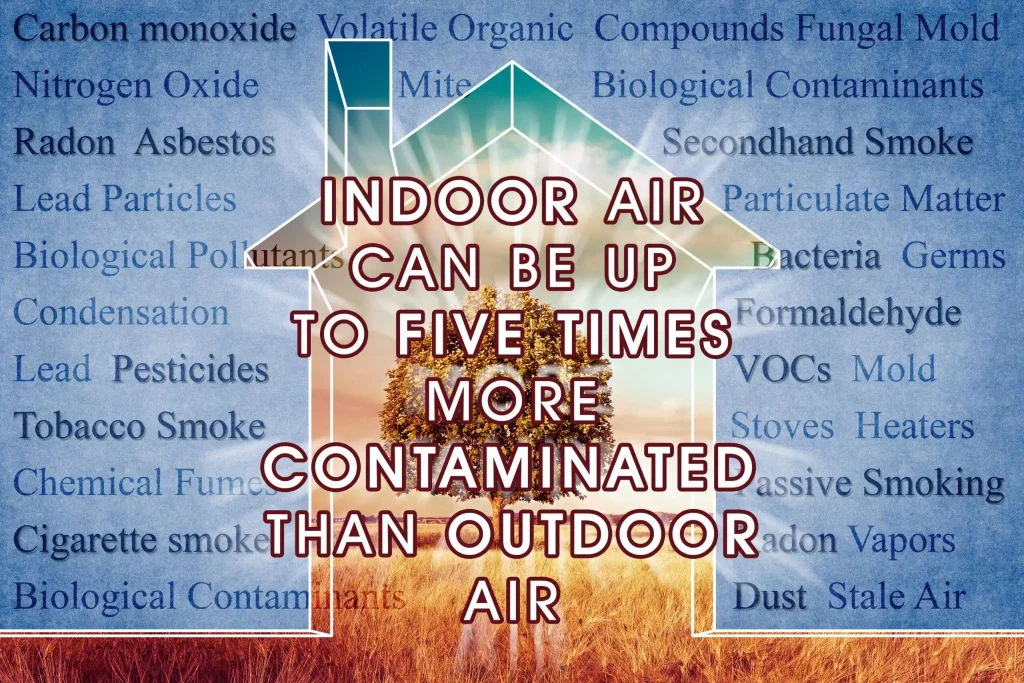
Common indoor air quality problems and inside air pollution can affect you at both your home and your place of work. This means it’s essential to find a reputable Phoenix-area indoor air quality services company to conduct routine deep cleaning of your air ducts and vents. Why Is Indoor Air Quality Important? Perhaps the most significant thing anyone can do to improve their quality of life is to improve the quality of the air they breathe. Indoor air pollution is a real safety hazard, and all it takes is a single exposure to a pollutant to trigger adverse health effects. According to the EPA, most people spend about 90% of their time inside. Furthermore, indoor air tends to be more polluted than outdoor air. When you combine these two statements, it’s easier to understand why it’s essential to take indoor air pollution seriously. What Are The Health Effects of Indoor Air Pollution? There are both short- and long-term health effects of indoor air pollution and breathing in allergens, contaminants, or pollutants inside your home. A single exposure can lead to an array of symptoms: Difficulty breathing Dizziness Eye, nose, and throat irritation Fatigue Headaches Nausea These symptoms’ intensity can change dramatically depending on your age, history of respiratory issues, and levels of previous exposure to the allergen or pollutant. Luckily, if these symptoms occur in a place you infrequently visit, such as a retail store, you will usually start to feel better once you leave that location. However, repeated or extended exposure can lead to serious long-term health effects, such as cancer, heart disease, or respiratory diseases. What Causes Indoor Air Quality Problems? The sources of indoor air quality problems and pollution are often the same as the sources of outdoor air pollution: Combustible products, like coal, gas, kerosene, and wood Radon Pesticides Smoke from Arizona forest fires The air outside often makes its way into your home or business through poor ventilation, open windows, and doors, or your building’s air exchange. This makes it all but impossible to escape outdoor air pollution. There is also a bevy of sources that come from inside your home or business too: Allergens Asbestos Central heating and cooling systems Dust mites Furniture made from some wood-based products Household cleaning products Humidifiers Recently installed carpets, flooring, or upholstery When you consider that outdoor air pollution can often enter your home and mix with the contaminants and pollutants inside, it becomes easier to understand why indoor air is often more contaminated than outdoor air. What Are The Signs of Poor Indoor Air Quality? One of the clearest signs you’re dealing with air quality issues inside your home or place of work is your health. If you find that you’re coughing, sneezing, or wheezing in either location, but those symptoms cease once you leave, it’s likely you’re dealing with the effects of poor indoor air quality. However, there are other signs that a location contains low-quality air: Condensation on walls or windows Dirty or dusty central heating and air-cooling equipment Frequent comments from guests about a musty smell Items, such as books or shoes, contain visible signs of mold Stuffy air If you discover any of these signs of indoor air quality problems, you must take steps to rectify the situation immediately. How Can You Improve Your Indoor Air Quality? There are many ways to improve indoor air quality, however, here are three key ways to improve a building’s air quality: Eliminate sources of pollution Improve the building’s ventilation Use air cleaners or purifiers Eliminating the source of pollution can be a cost-effective way to improve air quality. For instance, if your home or business uses asbestos-containing insulation, you can re-seal the area, so particles don’t escape into the air. The easiest way to improve ventilation is by opening a window to allow fresh air inside. However, this method may not always be enough to remove all pollutants, and if the weather outside is cold or rainy, you may not want to keep your window open long enough. Another common source of ventilation problems is clogged or dirty dryer vents. When a dryer vent becomes clogged, it can also become the source of a fire. The final option available is the use of air cleaners or purifiers. Modern air purifiers can improve air quality and kill germs, further helping to reduce the effects of poor indoor air quality. Eliminate Indoor Air Quality Problems in Phoenix with A-Z Air Duct Whether the issue is at home or your place of work, A-Z Duct Cleaning offers a variety of indoor air quality services: Air Duct Cleaning Air purification at Home or at Work Dryer Vent Cleaning Dusting Negative Pressure Air Duct Cleaning If you’re in the Phoenix area, give us a call today at 602-466-2234. You can also reach out through our website. Sources: https://www.epa.gov/indoor-air-quality-iaq/introduction-indoor-air-quality https://www.epa.gov/indoor-air-quality-iaq/inside-story-guide-indoor-air-quality https://www.ccohs.ca/oshanswers/chemicals/iaq_intro.html https://www.epa.gov/indoor-air-quality-iaq/identifying-problems-indoor-environments Featured Image Credit: Francesco Scatena / Shutterstock CONTACT US TODAY
Indoor Air Quality Definition

Air quality is a measurement of the health quality of the air inside a residence, business, or building of any type. It is measured by testing collected air samples, measuring airflow, collecting samples from surfaces (i.e. walls and ceilings), and measurements of human exposure to pollutants. What is Indoor Air Quality? Indoor air quality measurements are mainly concerned with not only how comfortable a building’s air is to breathe, but also how breathing it affects overall health. Measurements and tests generally look for organic pollutants such as molds and bacteria and harmful gasses such as carbon monoxide and radon. How Can Indoor Air Quality Be Improved? Indoor air quality can be improved dramatically by following these five tips: Keep Floors Clean – Dust has a notably negative effect on air quality. Aside from being an irritant in its own right, dust can also absorb chemicals from a variety of sources and other pollutants that are tracked in from outside. So vacuum, mop, and make use of floor mats in businesses. Humidity – Having incorrect humidity levels can encourage dust, fungal growth, and mold – which combine to decrease indoor air quality. Humidity levels should be at 30 to 50 percent. We advise using a dehumidifier, fixing leaky pipes to reduce moisture, vent hot air from appliances outdoors, and making sure drip pans are regularly emptied. No Smoking Indoors – Smoking is a leading cause of indoor pollution. With over 4,000 harmful chemicals and secondhand smoke being a cause of several illnesses (such as cancer) it is a type of indoor air pollution that must be avoided. Indoor Air Testing – we advise indoor air quality testing to ensure there are no odorless pollutants in the air. For example, radon is a colorless and odorless gas that is the second leading cause of lung cancer. Due to its aforementioned properties, it can only be detected by testing the air. Improve Ventilation – a ventilation system with built-in filtering and air purification systems can help remove harmful substances from the air and greatly improve overall air quality in a home or business. Source: visual.ly Health Benefits of Improving Indoor Air Quality By performing a home or business air quality test, you can make sure the air you breathe is healthy. This has several health benefits, including a reduction in allergy ailments, a reduction in odors, reducing the chance to be exposed to carcinogens that can cause serious illness, improved sleep, easier breathing, and an overall reduction in energy costs. Call A-Z Air Duct for Your All of Your Indoor Air Quality Needs As the above information shows, indoor air quality standards are an important part of the overall home and business health and. The regular monitoring of indoor air quality is important. At A-Z Air Duct, we offer solutions that improve overall air quality in the home and businesses. Our air filtration systems help keep the air you breathe healthy and provide all the above-noted benefits. Contact A-Z Air Duct today or call us at (602) 466-2234 to learn more about our air quality control systems and about the health benefits we can provide to you. CONTACT US TODAY
