
School environments are designed to be safe for students in every way. However, air quality is often overlooked as a vital factor in student health and safety. Aging buildings with high occupancy rates are vulnerable to poor air quality, which can lead to health concerns, decreased productivity, and increased absences. Learning about the role of air quality in school environments and the dangers of dirty ductwork can help you find the right solution for ensuring the well-being of students and educators in your school.
The Vital Role of Indoor Air Quality (IAQ) in School Environments
Teachers and students spend a large part of their time indoors at school. Air quality impacts individual comfort and physical health. Poor air quality causes fatigue and reduced academic performance. When vents, filters, and ductwork are clean, students perform better on academic activities and are less likely to miss school due to respiratory issues.
Unmasking the Hidden Dangers: What Lurks in School Ductwork?
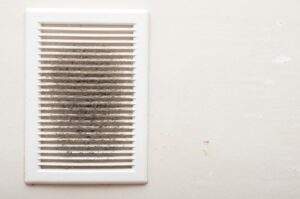
HVAC systems play a vital role in healthy air quality in schools. They circulate air constantly, picking up dust that contains dirt, pollutants, allergens, and moisture. Filters alone aren’t enough to eliminate the contaminants in the air. When systems aren’t cleaned regularly, they can quickly become contaminated with:
- Dust and dirt that accumulates in hallways and classrooms and gets sucked into ventilation systems
- Microbial growth and mildew from dampness in places like restrooms and basements
- Chemical pollutants from harsh cleaning products that linger in the air
The Tangible Impact: How Poor IAQ Affects the Entire School Community
Poor indoor air quality isn’t always easy to see. However, it impacts the school community in several ways. From health concerns to lackluster academic performance and reduced productivity, poor IAQ diminishes the academic experience and reduces comfort inside schools.
- Health issues: Poor indoor air quality can trigger respiratory conditions, including allergies and asthma. Nearly 1 in 13 school-age children has asthma, and there is substantial evidence that indoor exposure to allergens can trigger asthma symptoms.
- Lower cognitive function: High levels of carbon dioxide and other factors of poor air quality can impair concentration, affecting students’ ability to learn and retain information.
- Increased absences: Health problems, such as asthma attacks, respiratory infections, and allergies, lead to higher absentee rates among students and staff.
- Diminished teaching performance and productivity: Teachers and staff members affected by poor air quality can experience headaches, fatigue, and other symptoms that reduce their ability to perform effectively.
- Discomfort: Poor air quality causes temperature fluctuations and increased humidity, creating discomfort that can distract students and teachers.
- Increased energy usage: When dust and debris accumulate in air ducts, airflow is reduced, and the system has to work harder. Dirty air ducts can also increase wear on the system, requiring more frequent repairs.
Invest in Clean Air, Invest in Education
Schools are heavily trafficked and are frequently exposed to contaminants and outdoor pollutants. Ventilation systems trap everything from dust to mildew and chemicals from cleaning products. If ducts aren’t cleaned regularly, dust, debris, and contaminants build up in the system, affecting airflow and air quality.
Indoor air quality has a direct impact on the health and comfort of students, teachers, and faculty. Poor IAQ causes discomfort and is associated with lower academic performance and increased absences. Professional air duct cleaning addresses the root cause of poor IAQ. At A-Z Air Duct, we use the latest air duct cleaning tools, eco-friendly sanitizers, and professional cleaning methods to deep clean your school’s system and external vents. Reach out today to learn more about our professional air duct cleaning services for schools in the Phoenix area.
Shutterstock: inxti
